Blog Articles
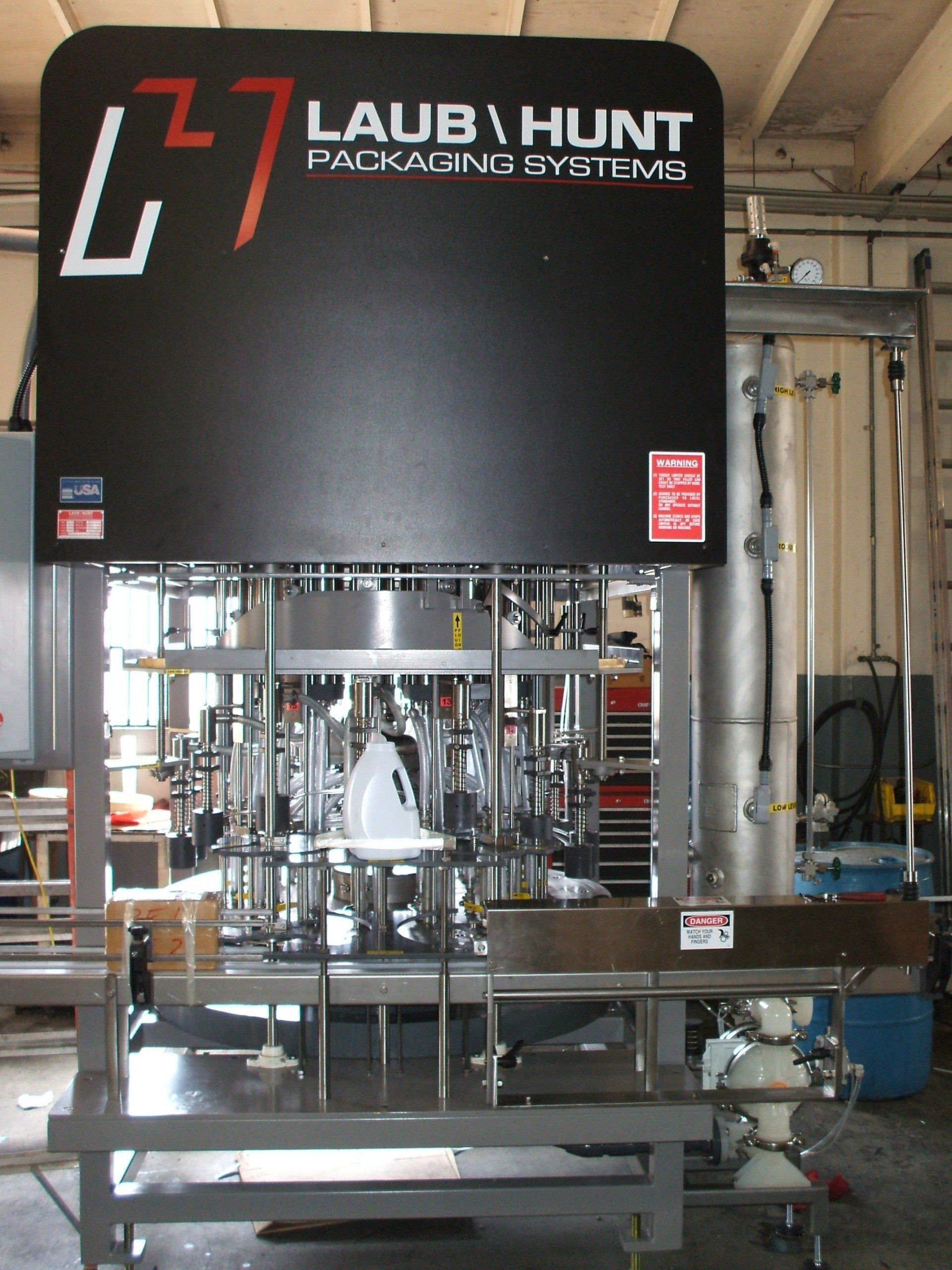
Industry Alignment For bleach, household cleaners, industrial chemicals, and some personal care products, the main concerns are chemical compatibility, corrosion resistance, and reliable handling of thin to moderately viscous liquids. For these products, rotary or inline systems with volumetric, flow-meter, pressure, or overflow options are often the most relevant starting points. For food and beverage, pressure, overflow, gravity, volumetric, and flow-meter systems are especially important because these products may be foamy, conductive, carbonated, or shelf-presented in clear containers. Rotary monobloc systems are also common when speed and capping integration matter. For automotive and many industrial chemical applications, mass flow, pressure metering, piston, and rotary monobloc configurations are often attractive because they support higher precision, more demanding product behavior, and stronger line control. Selection Criteria The first selection question should be product behavior: is the liquid thin, thick, foamy, conductive, non-conductive, hazardous, or sensitive to aeration? That answer usually narrows the field faster than container size or speed alone. The second question is production architecture: does the customer need maximum throughput, or do they need flexibility, lower cost, and easier expansion? Rotary and monobloc systems usually favor throughput, while inline systems often favor adaptability. The third question is packaging presentation: does the customer care about exact volume, exact level, or simply reliable closure after fill? Overflow and level-based systems serve appearance-driven applications, while volumetric, mass flow, and piston systems serve precision-driven applications. Positioning Language Laub\Hunt can position these machines as a portfolio rather than isolated products. That allows the sales message to start with the customer’s liquid and container requirements, then move to the best mechanical platform, rather than forcing customers into a one-size-fits-all category. A useful framing is: rotary for speed, inline for flexibility, piston for thickness, overflow for appearance, mag flow for conductive liquids, mass flow for highest accuracy, and monobloc for integrated efficiency. 5 Key Takeaways The best filling machine depends first on the product, not the machine name. Liquid behavior such as viscosity, foaming, conductivity, and sensitivity to aeration determines the right technology. Rotary systems are best when speed and compact footprint matter most. They are a strong fit for high-output lines and can integrate well with capping. Inline systems are best when flexibility and easier changeovers matter. They are often the better choice for lower-to-moderate production volumes or multiple product formats. Filling method matters as much as machine layout. Volumetric, mass flow, piston, overflow, gravity, pressure, and vacuum systems each solve different packaging challenges. Monobloc filler-cappers improve efficiency by combining fill and cap operations. They are especially useful when floor space, line synchronization, and throughput are important. See parts 1 and 3 for more information. Contact us for a quote.
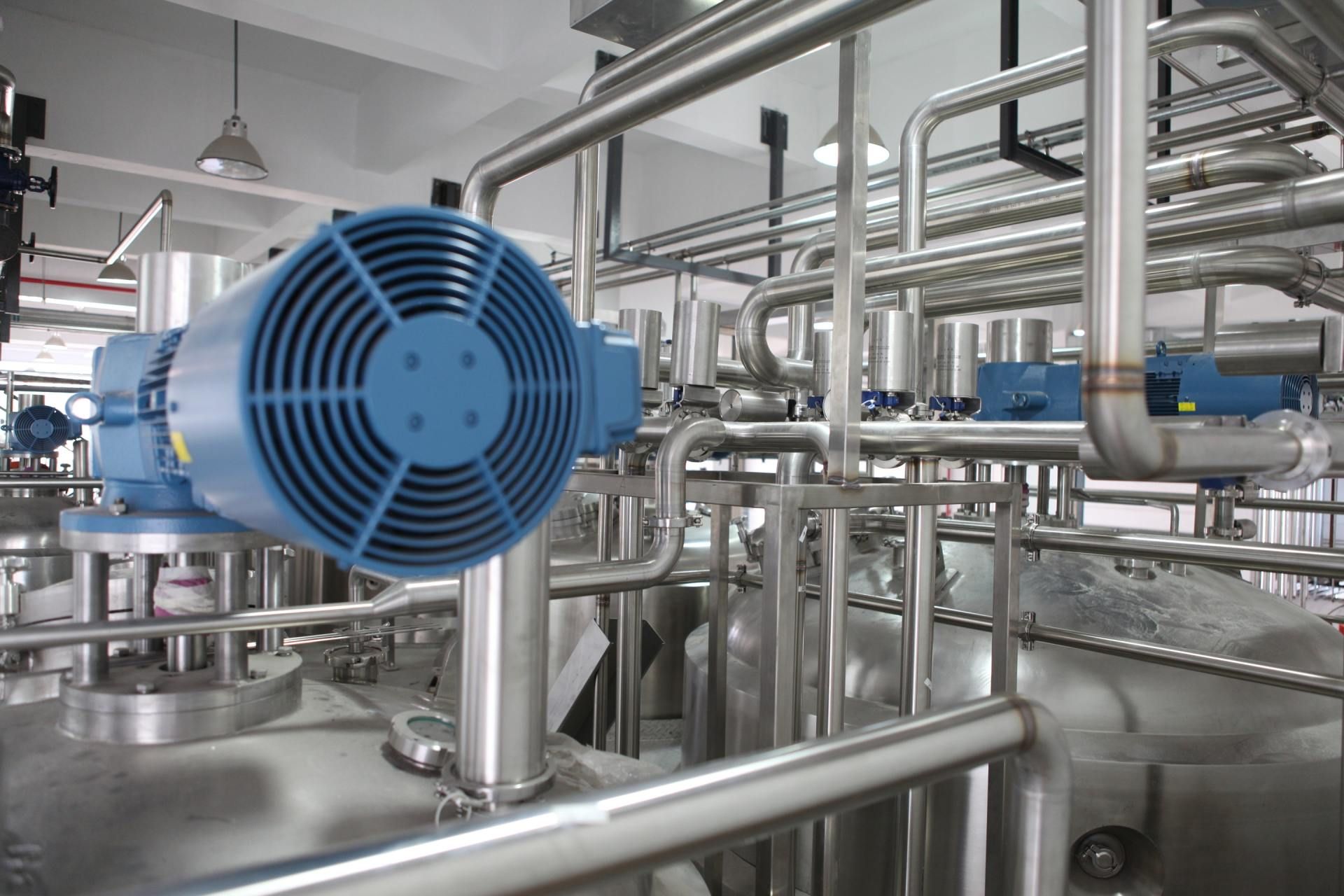
Laub\Hunt Packaging System’s filling platforms span a broad range of liquid behaviors, container types, and production goals. The right machine depends less on the label of the technology
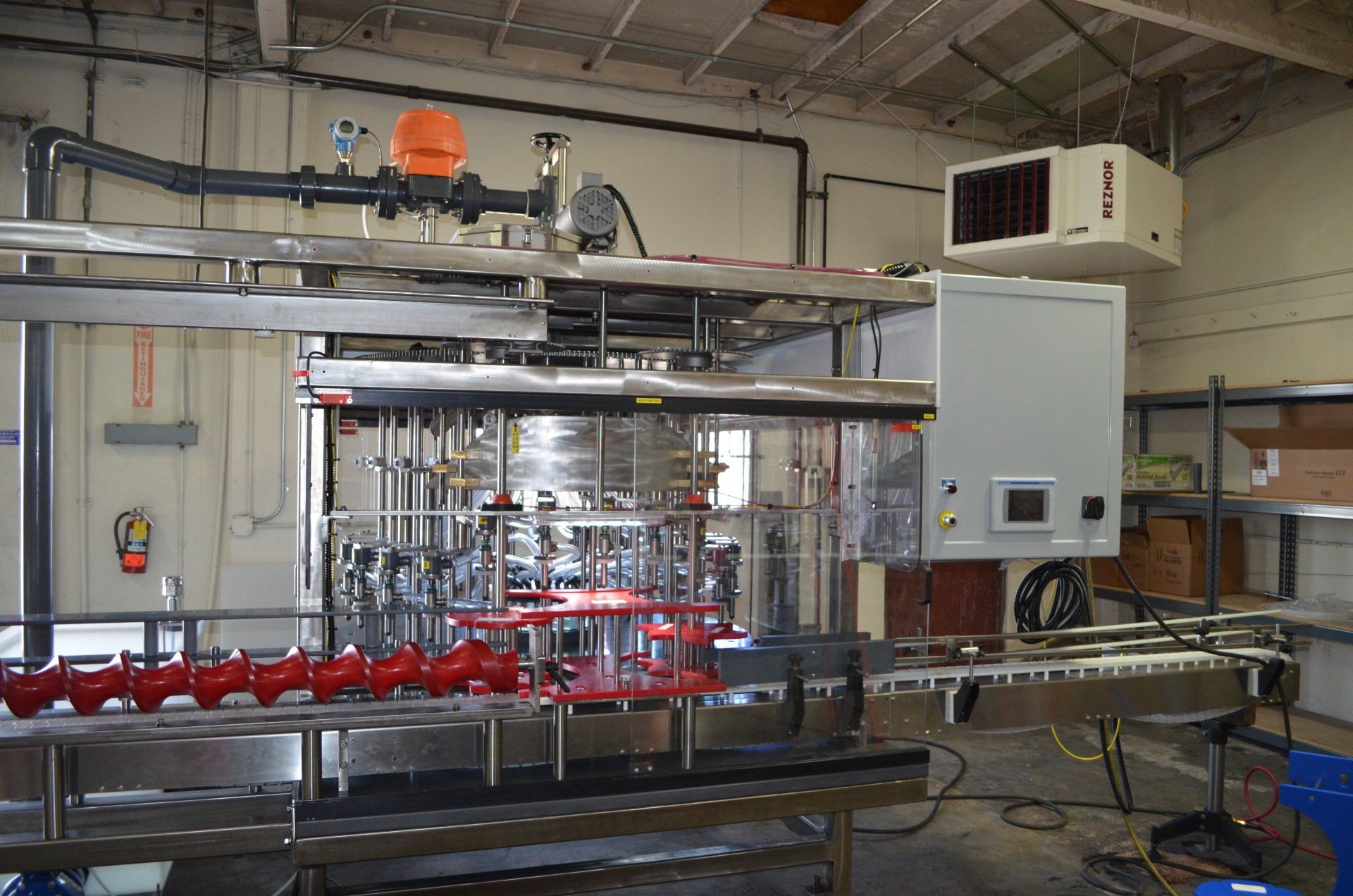
Handling flammable and volatile liquids in industrial environments introduces significant risk of fire and explosion. Explosion-proof liquid filling machines and monobloc filler-cappers
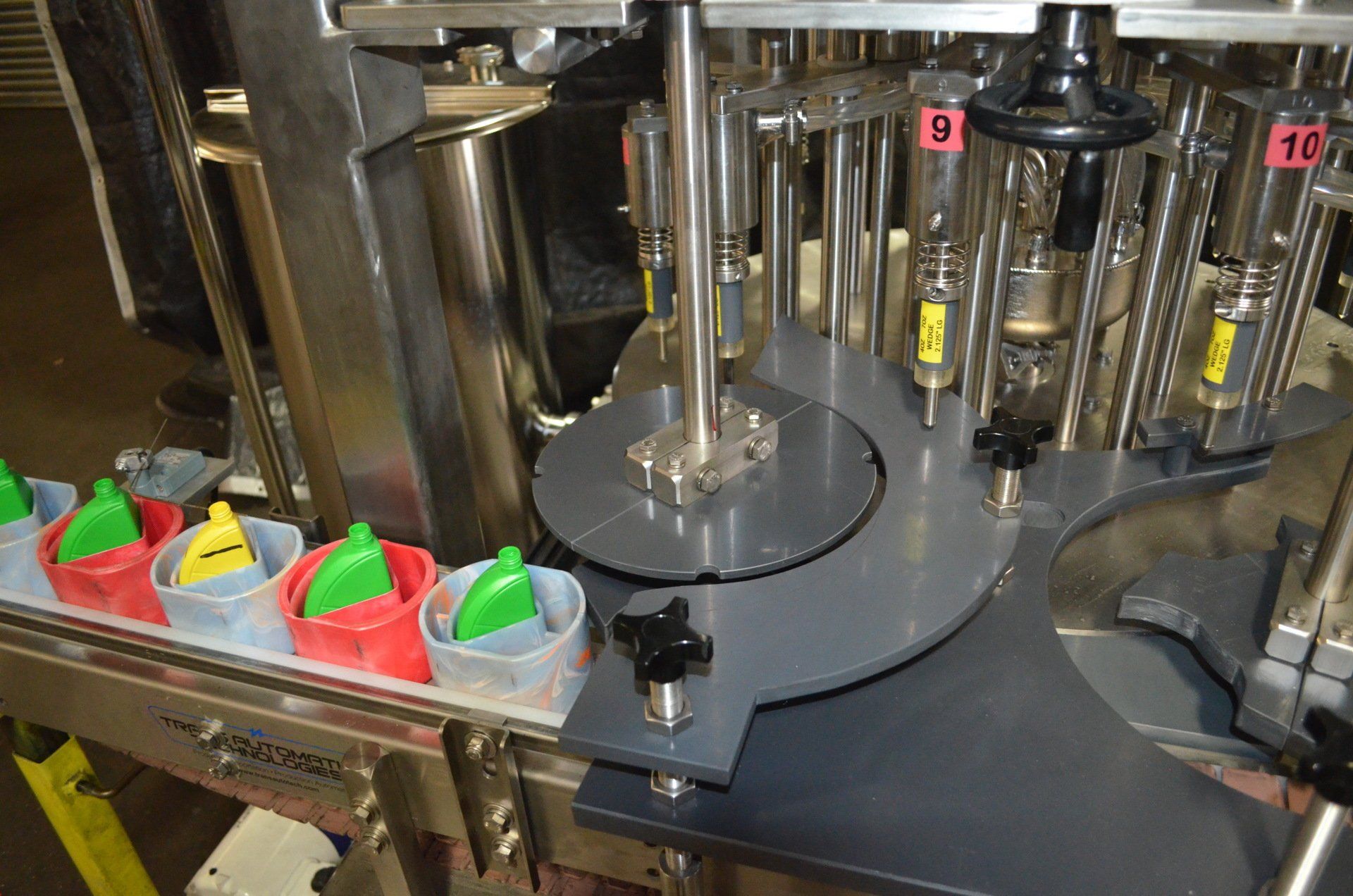
Explosion-Proof Liquid Fillers and Monobloc Filler-Cappers - NEMA Ratings: NEMA 7 and NEMA 9 Explained – Part 2
Explosion-proof liquid fillers and monobloc filler-cappers are critical in industries such as chemical processing, pharmaceuticals, petrochemicals, and coatings.
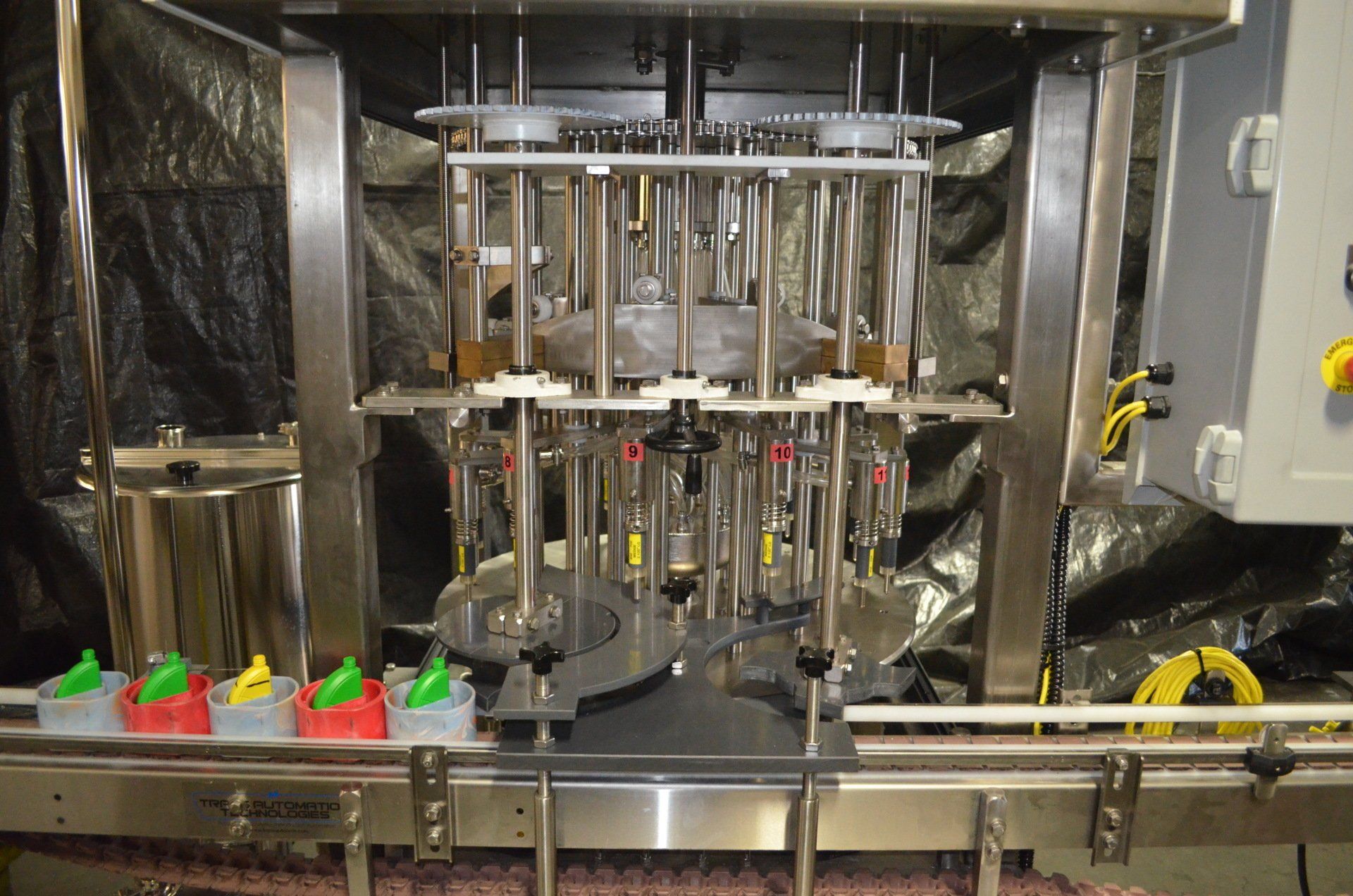
Discover precision automotive liquid filling systems for oils, lubricants, and fluids. Improve efficiency with Laub/Hunt packaging solutions.
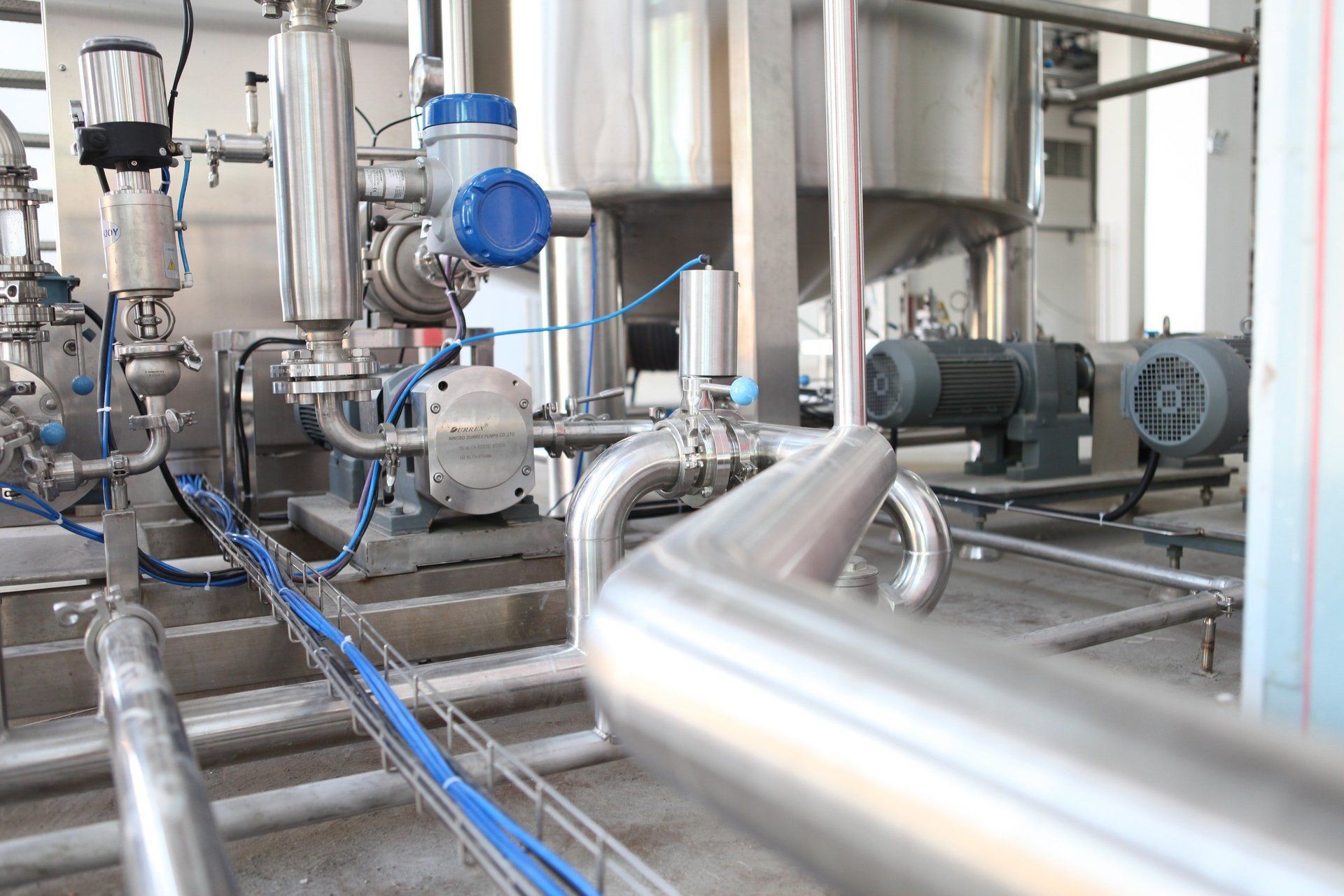
A complete liquid filling production line is a coordinated system of machines that must be designed as one process—from bottle infeed through palletizing
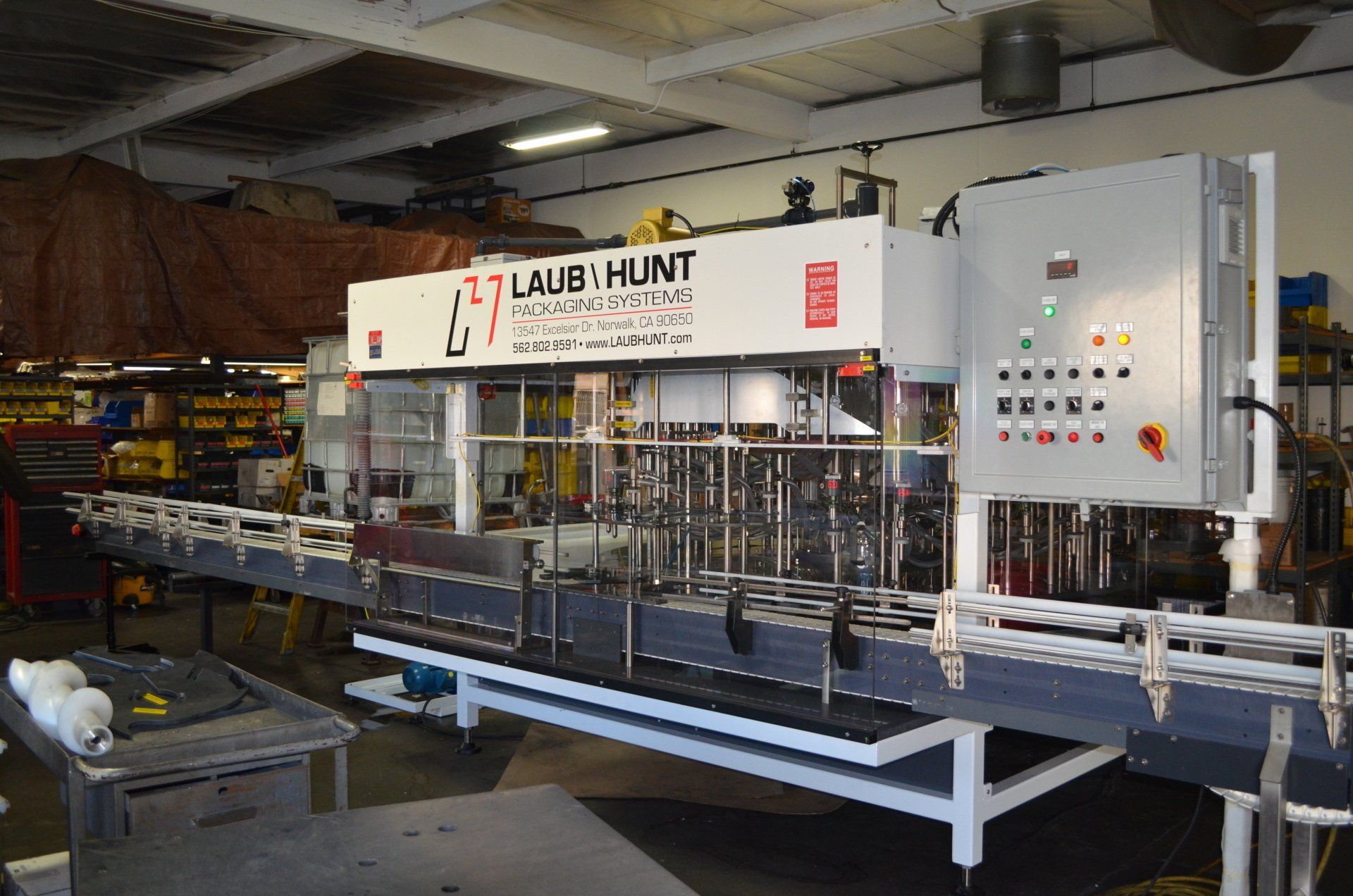
Successful projects do not end at startup: robust commissioning, operator training, and structured preventative maintenance are essential to sustain performance
Liquid Filling Production Lines Introduction - Part 1 A complete liquid filling production line must be engineered as a single, integrated system that transforms empty bottles
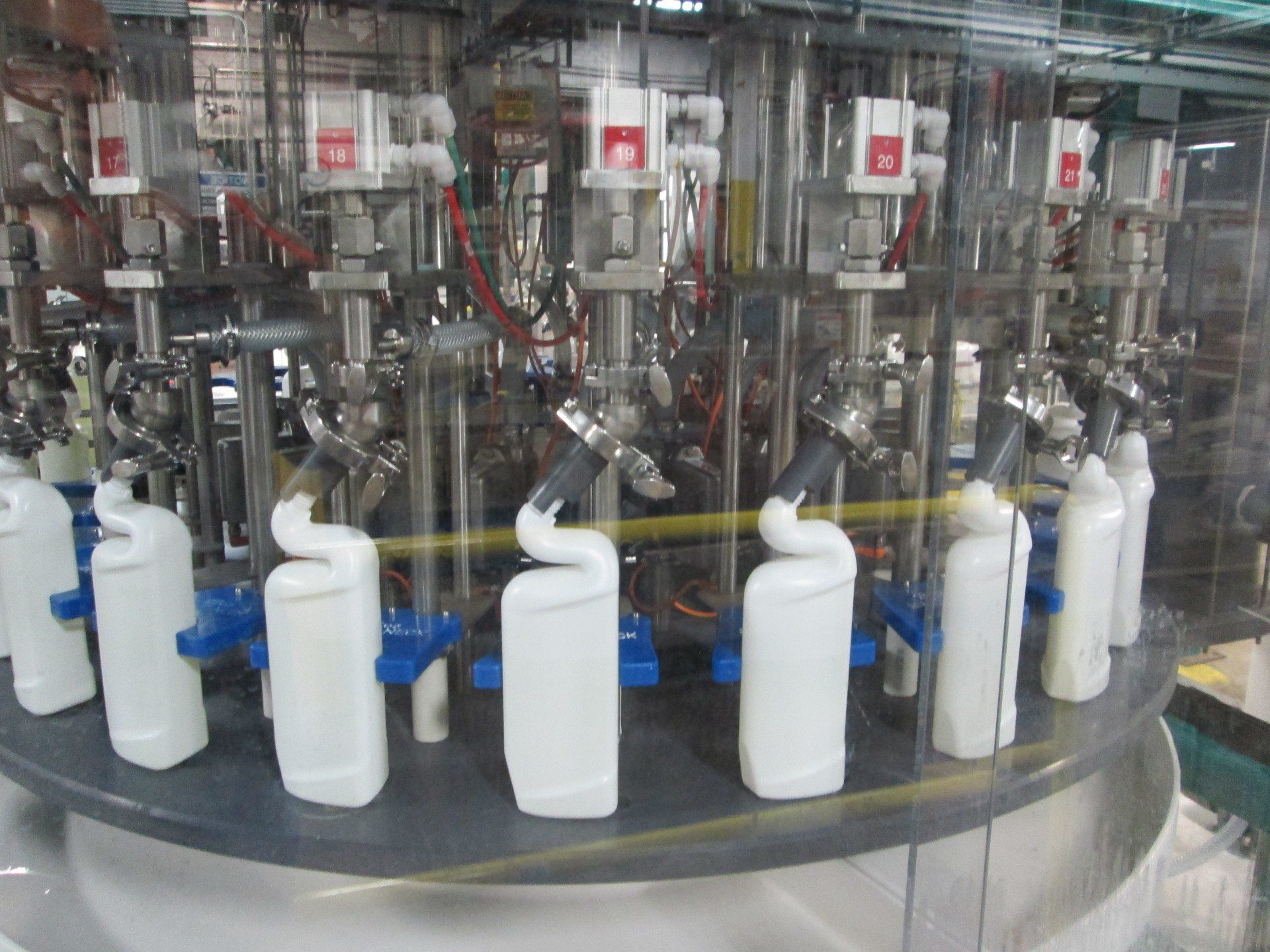
10 frequently asked questions about Bottle filling Equipment Preventative Maintenance – Part 3 1. How often should we perform preventative maintenance on our liquid fillers? Preventative maintenance should follow a layered schedule: daily cleaning and checks, weekly mechanical and pneumatic inspections, monthly calibration and deeper inspection, and annual overhauls or OEM service visits. The exact intervals depend on operating hours, product characteristics (especially caustic or abrasive liquids), and regulatory requirements. 2. What are the most critical components to inspect regularly? Critical components include nozzles and valves, seals and gaskets, pumps and metering systems, conveyors and drives, sensors, and safety devices such as guards and interlocks. In caustic applications, any product‑contacted metal and elastomer components warrant especially close and frequent inspection. 3. How does preventative maintenance improve fill accuracy? Regular cleaning prevents residue buildup that changes flow characteristics, while calibration verifies and adjusts the metering system to stay within tolerance. Replacing worn seals, valves, and pumps reduces leaks and drift, resulting in consistent fill volumes across batches and container sizes. 4. What are the risks of skipping preventative maintenance? Skipping maintenance increases the likelihood of sudden breakdowns, extended downtime, emergency repair costs, and lost production. It also elevates the risk of underfills, overfills, contamination, safety incidents, and failure to pass customer or regulatory audits. 5. How should we adapt maintenance for caustic chemical filling? For caustic products, use materials and seals rated for chemical compatibility and follow manufacturer guidance on cleaning and CIP agents. Increase inspection frequency for corrosion and elastomer degradation, ensure proper ventilation and containment, and provide specialized PPE and safety procedures for operators and technicians. 6. Do we need specialized tools for calibration and maintenance? Effective preventative maintenance typically requires accurate scales or volumetric testing equipment, torque tools, basic electrical and pneumatic test instruments, and cleaning/CIP equipment suited to the product. For advanced diagnostics or safety‑critical work, OEM‑specific tools and software may be recommended. 7. How can we minimize downtime while performing preventative maintenance? Plan maintenance during scheduled breaks, shift changes, or off‑peak periods, and cluster tasks to reduce changeover. Maintain a stock of critical spare parts and clear procedures so technicians can complete tasks quickly and consistently. 8. What documentation should we keep for our maintenance program? Keep maintenance schedules, completed checklists, work orders, calibration records, parts replacement history, and training logs. These records support troubleshooting, budgeting, audits, and continuous improvement of the maintenance plan. 9. When should we involve the original equipment manufacturer or a certified service provider? Involve the OEM or certified provider for annual inspections, complex diagnostics, major repairs, control‑system modifications, and when performance issues persist despite routine maintenance. Their expertise can also help optimize settings for new products or packaging formats and update maintenance recommendations. 10. How can we measure the success of our preventative maintenance program? Key indicators include reductions in unplanned downtime, emergency repair costs, and scrap or rework related to filling errors. Tracking mean time between failures, maintenance compliance to schedule, and audit findings provides a quantitative view of program effectiveness over time.